







You can vinyl wrap furniture whenever the surface is hard, reasonably flat and non-porous: lacquered or veneered doors, cabinet fronts, desk tops, built-in units, wardrobes, even appliance panels. Fabric, raw or open-grain wood, flaking varnish and anything soft are out. The piece does not need to be new. It needs to be sound.
That single rule decides most of what follows. Film is a skin, not a filler, and it will show whatever it is laid over.
Can you vinyl wrap wood furniture?
Lacquered, painted, melamine and veneered wood take architectural film well. Bare or oiled wood does not, because the grain drinks the adhesive and the bond never reaches full strength. A chalky or peeling finish is the same problem one step further along: the film will hold, but the old finish underneath will let go and take the film with it.
In a Wilshire Boulevard high-rise in Los Angeles we wrapped a kitchen whose white lacquered fronts were in good order everywhere except under the sink, where water had swollen the board. That damage was repaired before a single panel of light oak film went on. Skipping that step is the most common way a wrap job fails, and it fails at exactly that one door.
Does vinyl wrap damage furniture?
On a sound factory finish, no. Architectural film is a self-adhesive layer that comes off again with heat, which is the whole reason interior designers reach for it. The risk is never the film; it is the surface beneath. Film pulled off thin spray paint, flaking varnish or water-damaged board will lift that layer with it.
That reversibility is also why it works in a rented space or a show interior. For a Fendi boutique on Rodeo Drive in Beverly Hills, our Westlake Village team re-skinned the interior in architectural vinyl entirely after hours, so the store opened the next morning on schedule. No demolition, no cabinetmaker, no dust.

How long does vinyl wrap on furniture last?
Indoors, expect eight to ten years on vertical surfaces such as cabinet doors and wardrobe fronts, and noticeably less where hands and objects land. The order of wear is predictable: horizontal tops first, then edges and corners, then the area around handles, then everything else. A desk top used daily is a different lifespan question than the drawer fronts underneath it.
The materials are built for it. A cast architectural film such as 3M DI-NOC carries real wood, stone, leather and metal textures you can feel, not printed imitations, and it wraps around a radius without whitening at the fold. That is what separates it from the self-adhesive rolls sold for a weekend project.
Vinyl wrap or paint: which suits furniture better?
Film wins on time, mess and reversibility. A kitchen that would be out of use for a week with a spray crew is usually back in service the same day, and a texture such as oak or marble simply cannot be sprayed. Paint wins where the piece is carved, deeply profiled or already damaged, because film needs a surface to follow.
For a complete kitchen, the trade-offs against refacing and replacing are set out in our article on what a kitchen cabinet wrap costs and how long it lasts. In Herentals we wrapped the kitchen of Celine Van Ouytsel in a wood-structure film, Original Oak AA14, out of our Belgian studio: the same colored doors, a different room.
Veelgestelde vragen
How much does it cost to vinyl wrap furniture?
Small jobs are usually quoted per piece and larger interiors per square foot. A single desk or dresser typically runs in the low hundreds of dollars, a full kitchen into the thousands, and the number is driven by the count of separate panels rather than the total area. Ten small drawer fronts take longer than one large wardrobe door.
Can you use car wrap on furniture?
Technically yes, and we do not recommend it. Automotive color change film is engineered to stretch over a curved panel and to survive sun and weather; architectural film is engineered for the textures, widths and scratch resistance an interior needs. On a flat cabinet door the automotive film will look thinner and mark more easily.
How do you clean wrapped furniture?
A damp cloth and a mild household cleaner. No abrasive pads, no solvents, no bleach, and nothing scouring on a matte finish, which burnishes to a shine where it is rubbed.
Can wrapped furniture be taken back to its original state?
Yes, on a sound finish. Gentle heat releases the adhesive and the panel comes back as it was. It is the usual route for a rental, a showroom or a client who wants to live with a color for a season first.
Can you wrap furniture on site?
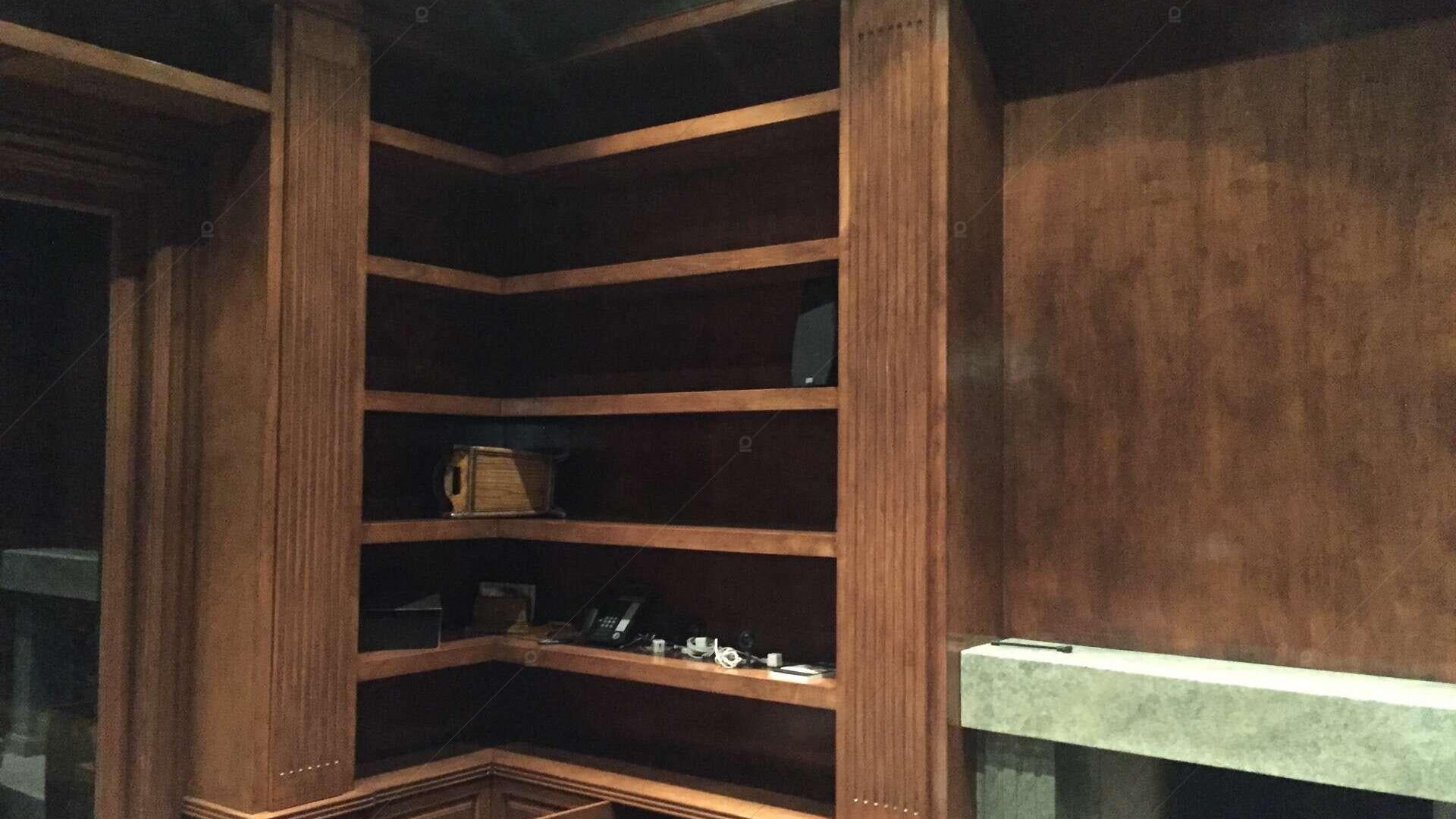
Mostly, yes. Doors and drawer fronts often travel to the studio for a cleaner result, while built-ins, ceilings and fixed cabinetry are wrapped in the room, as the Malibu library room was.
If you have a piece or a whole interior in mind, send photos of the surfaces, in California or in Belgium, and we will tell you plainly what film will do and what it will not. Start at 2wr.app/architectural-services.
