





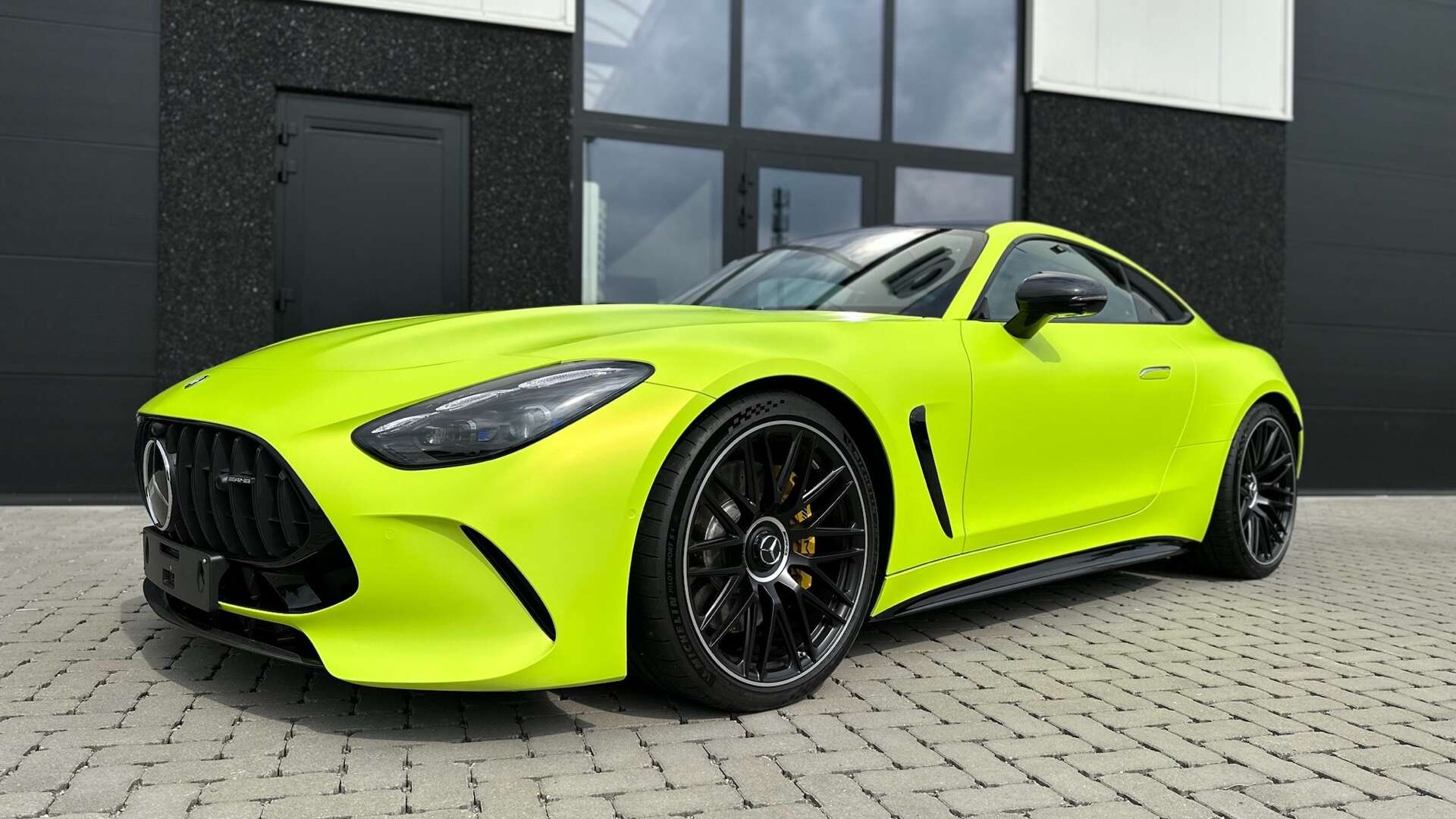
Een volledige voertuigwrap bedekt elk zichtbaar gelakt paneel van een auto met vinylfolie: motorkap, dak, portieren, spatborden, bumpers, spiegelkappen en de randen die naar binnen slaan bij de portiersponningen. Een gedeeltelijke wrap bedekt slechts een deel daarvan. In de praktijk heeft het verschil tussen een goede volledige wrap en een slechte weinig te maken met de kleur. Dit wordt bepaald door hoeveel van de auto wordt gedemonteerd voordat het eerste paneel wordt beplakt.
Wat dekt een volledige voertuigwrap eigenlijk?
Volledige dekking betekent dat de auto vanuit elke hoek één kleur heeft, inclusief de hoeken die niemand fotografeert. Emblemen en deurgrepen worden eraf gehaald in plaats van dat eromheen wordt gesneden. Spiegels worden verwijderd. Bumpers worden eraf gehaald wanneer het ontwerp er overheen loopt. Folie wordt om de rand van een paneel heen geleid en erachter vastgezet, niet vlak langs de lichaamslijn afgesneden.
Dat laatste detail is waar de meeste mislukkingen beginnen. Een snede op de rand op het oppervlak in plaats van erachter gewouwen zal na een seizoen hogedrukreiniging loslaten, en geen enkele hoeveelheid achteraf verwarmen lost dat achteraf op. Deurstijlen en de geverfde oppervlakken in de openingen maken geen deel uit van een standaard volledige wrap; het wrappen daarvan is een aparte keuze, en het is de moeite waard om dat te bespreken voordat de offerte wordt getekend in plaats van daarna.
Wat kost een volledige voertuigwrap?
Ter oriëntatie in plaats van als prijslijst: op de Amerikaanse markt ligt een volledige kleurverandering in hoogwaardige gietfolie met professionele installatie over het algemeen ergens tussen de 3.500 en 6.000 dollar voor een sedan of coupe. Grotere SUV's en pick-ups zitten daarboven. Supercars en auto's met complex koetswerk, diepe uitsparingen en volledige demontage vallen nog hoger uit. De Belgische prijzen bevinden zich in een vergelijkbare range.
Chrome-,kleurwissel- en gestructureerde folies kosten meer per rol en duren merkbaar langer om te installeren, dus ze bewegen het getal in twee richtingen tegelijk. De staat van de lak daaronder is ook belangrijk. Een auto met vorig carrosserie({\u200b}werk) of een oudewrap er nog op moet eerst worden gecorrigeerd of verwijderd, en die tijd is echt werk.
Volledige wrap of gedeeltelijke wrap: welke heb je nodig?
Een gedeeltelijke wrap is vaker het juiste antwoord dan mensen verwachten. Bedrijfswagens waarbij de boodschap belangrijker is dan de basiskleur, een dak en motorkap in contrast, of een livery aangebracht over bestaande lak zijn allemaal gedeeltelijke werkzaamheden. Een volledige voertuigwrap verdient zijn kost terug wanneer het doel een echte kleurverandering is, wanneer de originele lak onder folie beschermd moet worden met het oog op de doorverkoop, of wanneer een ontwerp ononderbroken over de hele carrosserie moet doorlopen.
Welke bedrijven bieden volledige autowraps aan?
Elke winkel zal 'ja' zeggen op de vraag. Vier vervolgvragen scheiden ze snel. Ontwerpen, printen en installeren ze onder één dak, of wordt een deel uitbesteed? Wat gaat er van de auto af voordat het wrappen begint? Welke foliemerken hebben ze daadwerkelijk op voorraad? En kunnen ze afgewerkte auto's in dezelfde klasse als de jouwe laten zien, gefotografeerd vanuit de moeilijke hoeken?
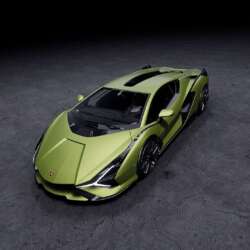
Bij 2wrap.com doen we alle drie de fasen volledig in eigen beheer in onze studio's in Westlake Village, Californië, en Weelde, België. Een Mercedes-AMG GT onderging een behandeling in de vestiging in Weelde met Platinum Wrapping Film matte Lizard Lime, waarbij elk paneel werd voorzien van folie, en de meeste aandacht uitging naar de lange motorkapovergangen, de deurnaden en de achterspatborden. In Westlake Village werd een Tesla Model S Plaid ingepakt in 3M Matte Charcoal Metallic, gecombineerd met een chrome delete, verdunde achterlichten en keramische raamfolie, omdat een complete kleurverandering zelden alleen om folie draait. Beide auto's zijn volledige kleurenwissel in strikte zin, en beide kozen dezelfde aanpak: eerst strippen, dan inpakken.
Afwerking is net zo belangrijk als dekking. Als je matte overweegt, is het de moeite waard om te lezen waarom matte folie de moeilijkste afwerking is om strak aan te brengen voordat u een kleur kiest.
Veelgestelde vragen
Hoe lang gaat een volledige voertuigwrap mee?
Met hoogwaardige gegoten folie en een juiste installatie kunt u rekenen op ongeveer drie tot zeven jaar, afhankelijk van de folie, de kleur en hoe de auto wordt gestald. Constante Californische zon en Belgische strooizout verkorten beide de levensduur, en horizontale panelen verouderen altijd sneller dan verticale.
Beschadigt een volledige autowrap de lak?
Op fabrieksstickwerk in goede staat, nee. Folie die op gezonde lak is aangebracht en binnen de levensduur wordt verwijderd, komt er schoon af en laat het oppervlak meestal beter achter dan de omliggende auto. Overgespoten delen vormen hierop een uitzondering: aftermarket-lak die niet volledig is uitgehard of slecht is voorbereid, kan met de folie meekomen, en daarom vragen we naar de geschiedenis van het carrosseriehouderwerk voordat we een offerte uitbrengen.
Hoeveel vinyl is er nodig voor het volledig inpakken van een voertuig?
Een normale sedan gebruikt ongeveer 50 tot 60 voet aan 60-inch folie. Grotere voertuigen en ontwerpen die over panelen heen moeten worden uitgelijnd, hebben meer nodig, omdat secties worden afgesneden om bij het patroon te passen in plaats de materialen te besparen.
Kan ik de kleur op mijn eigen auto zien voordat ik een beslissing neem?
Ja. We gebruiken de Instant Color Changer om een klant zijn eigen voertuig te laten zien in de exacte folie die ze overwegen, voordat er iets wordt besteld. Click it before you stick it: een kleur die er goed uitziet op een voorbeeldwaaier, kan over een lange motorkap heel anders overkomen.
Als u een volledige voertuigwrap overweegt en een direct antwoord wilt over folie, dekking en planning voor uw specifieke auto, stuur ons de details en we komen bij u terug met een passende offerte.
Dit artikel maakt deel uit van de 2wrap.com kennisbank over autowrapping en kleurverandering. Wij ontwerpen, printen en installeren in eigen beheer in onze studio's in Westlake Village, Californië en Weelde, België. Gerelateerd werk: Mercedes-AMG GT limoengroene wrap, Tesla Model S Plaid mat antraciet.

Eén reactie
Good explanation of why edges wrapped behind the panel matter more than the color choice. The line about cuts on the surface lifting after a season of pressure washing matches what a friend went through with a cheap install. I also did not know door jambs are normally excluded from a full wrap. On cars like a Model 3 where the jamb shows every time you open the door, do most owners pay for it, or does the original paint usually look fine next to a matte film?