





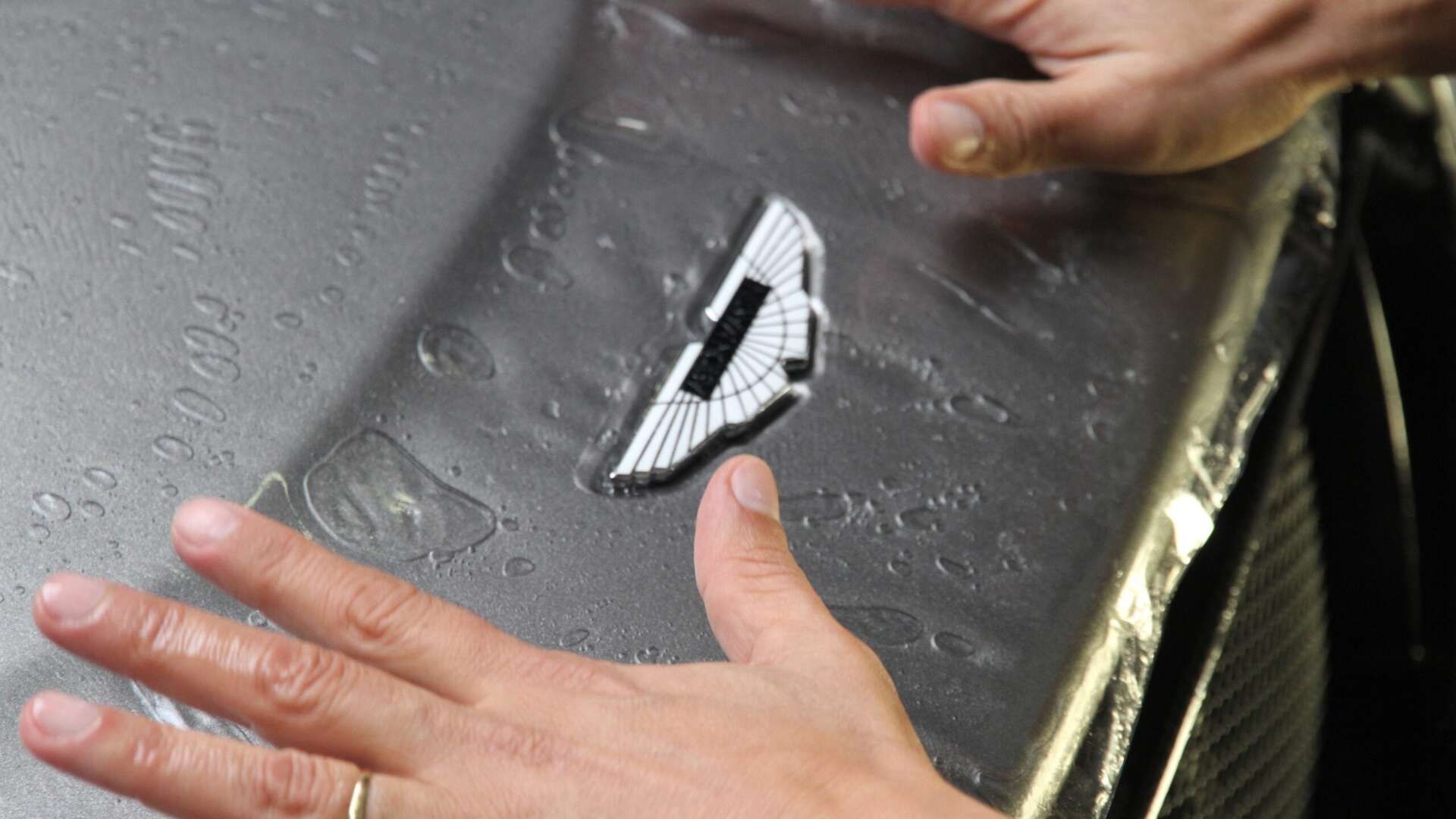
The short answer on ppf vs vinyl wrap: paint protection film is a thick, self-healing clear or colored film that stops stone chips and keeps the original paint underneath intact, and a vinyl wrap is a thinner film whose job is to change how the car looks. PPF costs more and stays on longer. A wrap costs less and comes off when you want something else. If you keep the car for years and care about resale, film the front end. If you want a different car in the driveway every few seasons, wrap it.
PPF vs vinyl wrap: what is the actual difference?
Thickness and purpose. Paint protection film runs roughly 150 to 200 microns with a urethane top layer that closes fine scratches with heat. Cast wrap vinyl runs roughly 70 to 100 microns and is built to conform to a shape and hold a color, not to absorb an impact.
That difference decides everything else. PPF is the answer to a gravel road, a track day or a California freeway at commuting speed. A wrap is the answer to a color you cannot order from the factory. They are not competitors so much as two tools, and plenty of cars leave our studios with both.
What does each one cost?
As orientation ranges in the United States, not a price list. A front end in clear PPF, meaning bumper, hood, fenders and mirrors, sits around 1,800 to 3,000 USD. Full body clear PPF runs roughly 6,000 to 9,000 USD and more on a car with complex bodywork. A full color change wrap in cast vinyl sits around 3,500 to 6,500 USD depending on the car and the finish. Our panel by panel breakdowns are in what paint protection film costs en what a car wrap costs.
Belgian pricing is lower on labor and higher on material than California pricing. The gap between a considered quote and a low one is almost always disassembly: whether the shop takes the bumpers, lights and handles off, or cuts around them.
How long does each one last?
Clear PPF on a front end holds up for years of real driving, and the top premium brands are sold with long manufacturer warranties. Cast wrap vinyl gives five to seven years on vertical panels in Belgium and three to five in direct California sun, with the roof and hood always first to go.
One honest warning about long warranties, and it has nothing to do with the film. A warranty is only worth the company behind it. 2wrap.com has been installing since the early days of this industry, more than thirty years, with studios in Westlake Village and Weelde, and we carry one year of full warranty on installation and on color ourselves, on top of whatever the manufacturer gives. Adhesion shows its hand early: if nothing has lifted in two months, it will not lift on its own later.
Where does colored PPF fit?
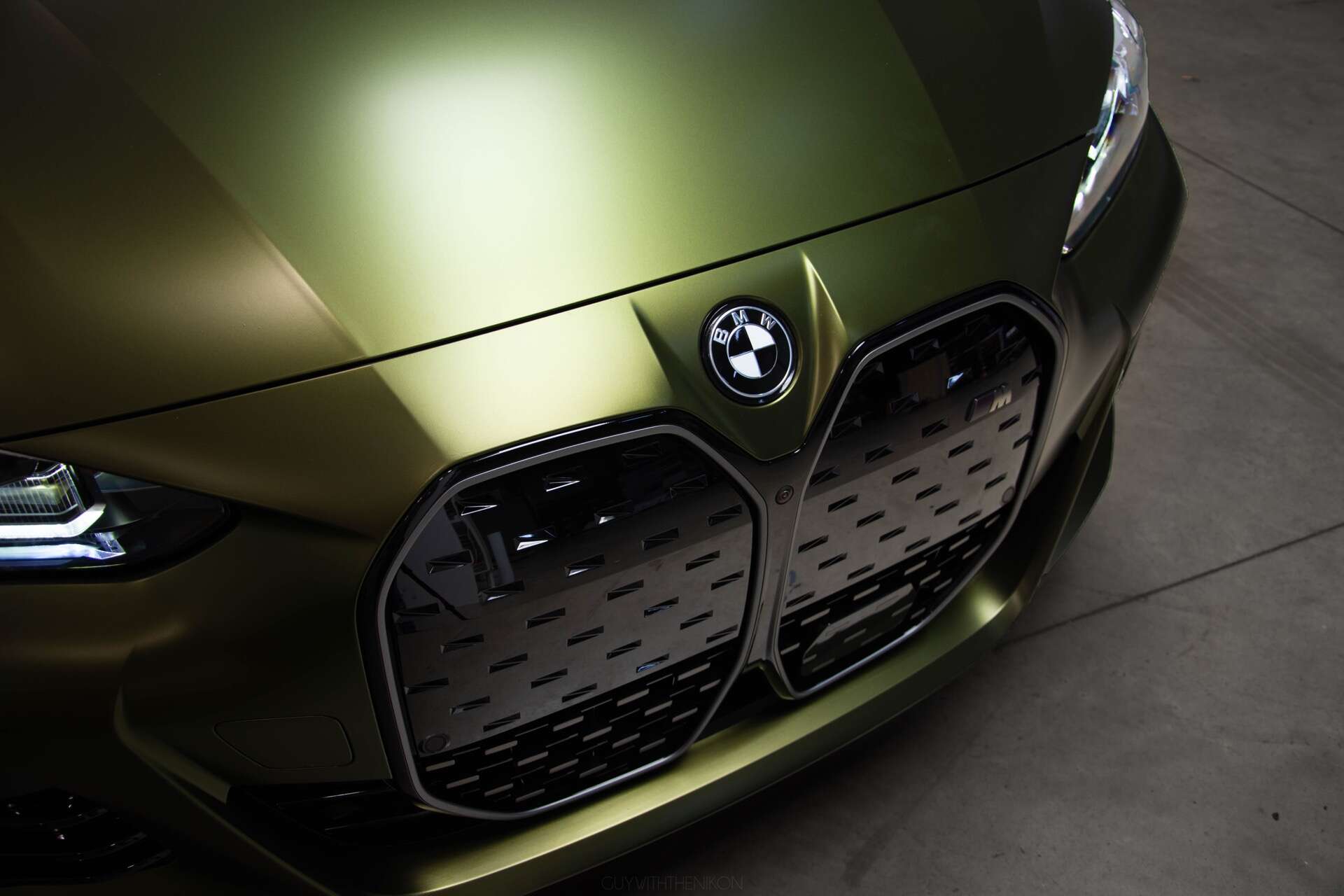
Between the two, and it is a real option rather than a gimmick. Colored paint protection film gives you the color change of a wrap with the thickness and self-healing behavior of film, at a price above both. It has fewer finishes available than cast vinyl, and on deeply shaped bodywork it is harder to lay down, so the installer matters more.
We work with it regularly. The Bentley Continental GTC we did in Turnhout was taken fully to Inozetek glossy PPF for a client from Antwerp, which is protection and color in one layer. If you are weighing that specific choice, we compare them directly in colored PPF against a vinyl wrap.
Can you have both on one car?
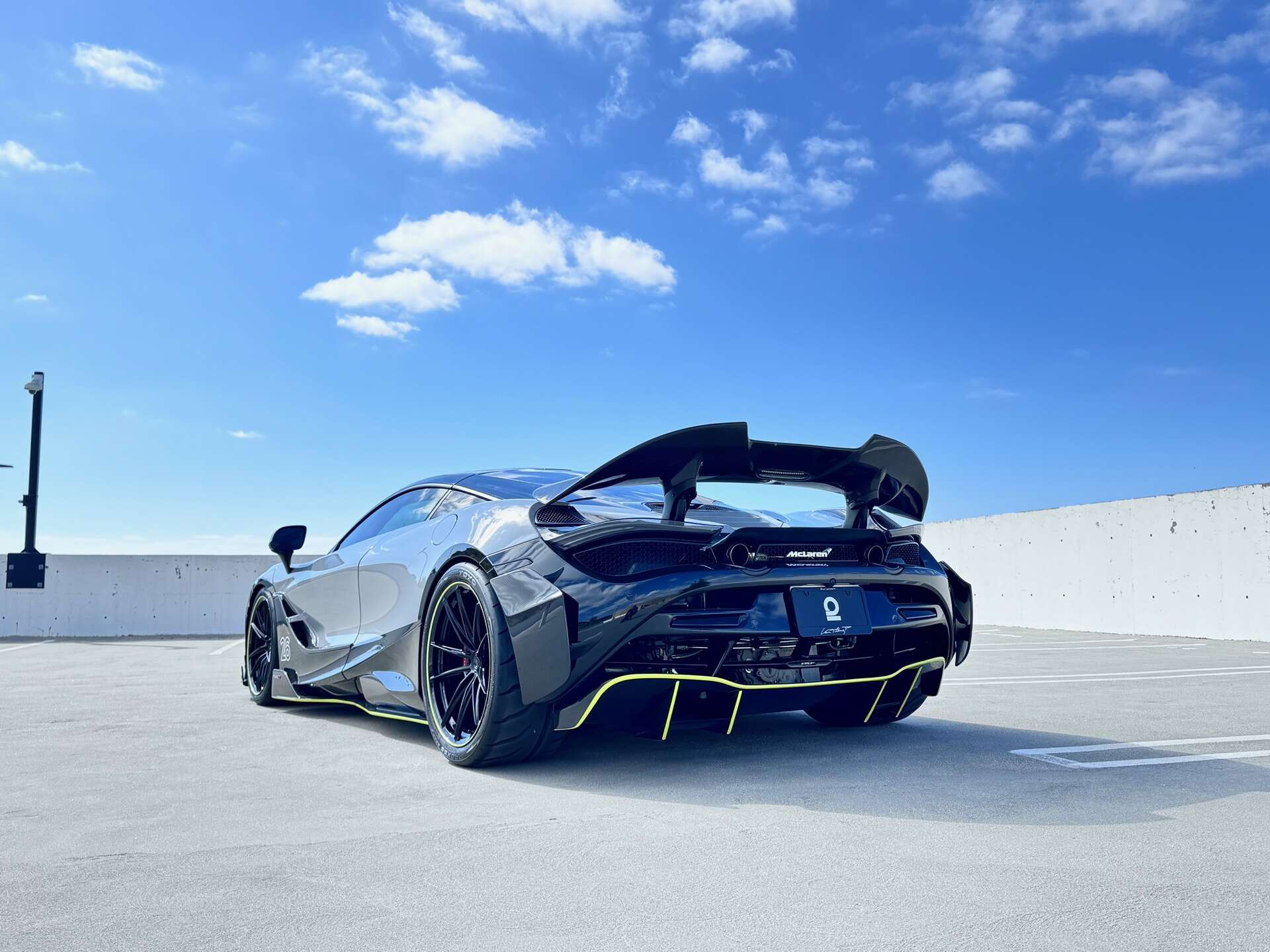
Yes, and on cars people intend to keep, it is the right answer. The order matters: paint protection film on the impact zones first, then the wrap over it, so the wrap can be removed years later without touching the protection underneath. We do this most often on supercars, where the owner wants a one off look and a flawless nose at the same time.
Veelgestelde vragen
Which is better for resale value?
Clear PPF, because it keeps the factory paint in the condition it left the plant in. A wrap also protects the paint from UV and light abrasion while it is on, and it comes off clean, but it does not stop a stone.
Does either one damage the paint?
Not on healthy factory paint, properly installed and properly removed. The damage we see comes from film left on long past its life, or from low-grade calendered vinyl that tears and leaves adhesive. We go into this in detail in Beschadigt een carwrap de lak?.
Is PPF invisible?
On a well prepared car with the edges tucked, you have to look for it. On a car where the film was cut on the panel rather than wrapped around the edge, you will find the line, and so will a buyer.
Does climate change the choice?
It changes the lifespan, not the logic. UV is what shortens a film’s life, not cold, so a wrap lasts noticeably longer in Belgium or the Netherlands than in Southern California. Snow and ice are not the problem people assume they are.
Can a wrap be applied over existing PPF?
Yes, if the film is in good condition and well bonded. If it is already lifting at an edge, it comes off first. We will tell you which it is before quoting.
If you want to see a color on your own car before deciding anything, we use the Instant Color Changer to show the finish on a photo of the actual vehicle. Click it before you stick it. Our autodiensten page is where a quote starts. Film specifications for the materials we use are published by 3M.