







Boat wrap cost is quoted by the foot, and for an 18 to 20 foot runabout the figure usually lands somewhere between 1,500 and 3,500 dollars for the hull sides. Between 20 and 30 feet, expect roughly 3,000 to 8,000; above 30 feet, a full wrap becomes a five-figure job. Printed custom graphics sit at the top of each range, a single solid color at the bottom.
Those are orientation ranges for the United States market, not a price list. The spread inside each one is wide because almost none of the work is the flat part of the hull.
Why Boat Wrap Cost Is Quoted per Foot
Length is the only number a shop can use before seeing the boat, so it becomes the unit. What actually consumes the hours is everything interrupting the surface: rails, cleats, vents, rod holders, rub strips, transom brackets, registration lettering and the compound curve where the hull turns under. A 22 foot bass boat with a clean, uninterrupted flank can be quicker than a 19 foot center console carrying hardware along its whole length. When you compare two quotes, compare what is being removed and refitted rather than the price per foot.
What Does the Gelcoat Have to Do With the Price?
More than the film does. Film bonds to a sound, non-porous surface. Oxidized, chalky gelcoat has to be compounded and sealed first, and old polish or wax has to come off completely, or the wrap will lift at the edges within a season. On an older hull that preparation can be a day of work before a single panel is laid, and an honest quote shows it as a line of its own. A quote that ignores the condition of the gelcoat is not a cheaper quote, it is an incomplete one.
Repainting is the alternative, and it is the reason most owners are reading about film at all: a professional marine respray typically costs several times a wrap and takes the boat out of the water for weeks. A wrap also comes off again, which matters at resale.
Marine Film Is Not Automotive Film
Saltwater, constant UV at the waterline and trailer abrasion are a harsher combination than anything a car meets. We use cast films with a marine-grade adhesive, often with a protective laminate over printed graphics, and we do not wrap below the waterline. Nothing adhesive survives permanent immersion and antifouling; that area stays paint. Any shop promising a wrapped bottom is promising a callback.
What a Large Marine Project Actually Looks Like
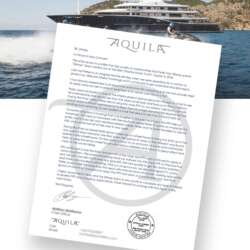
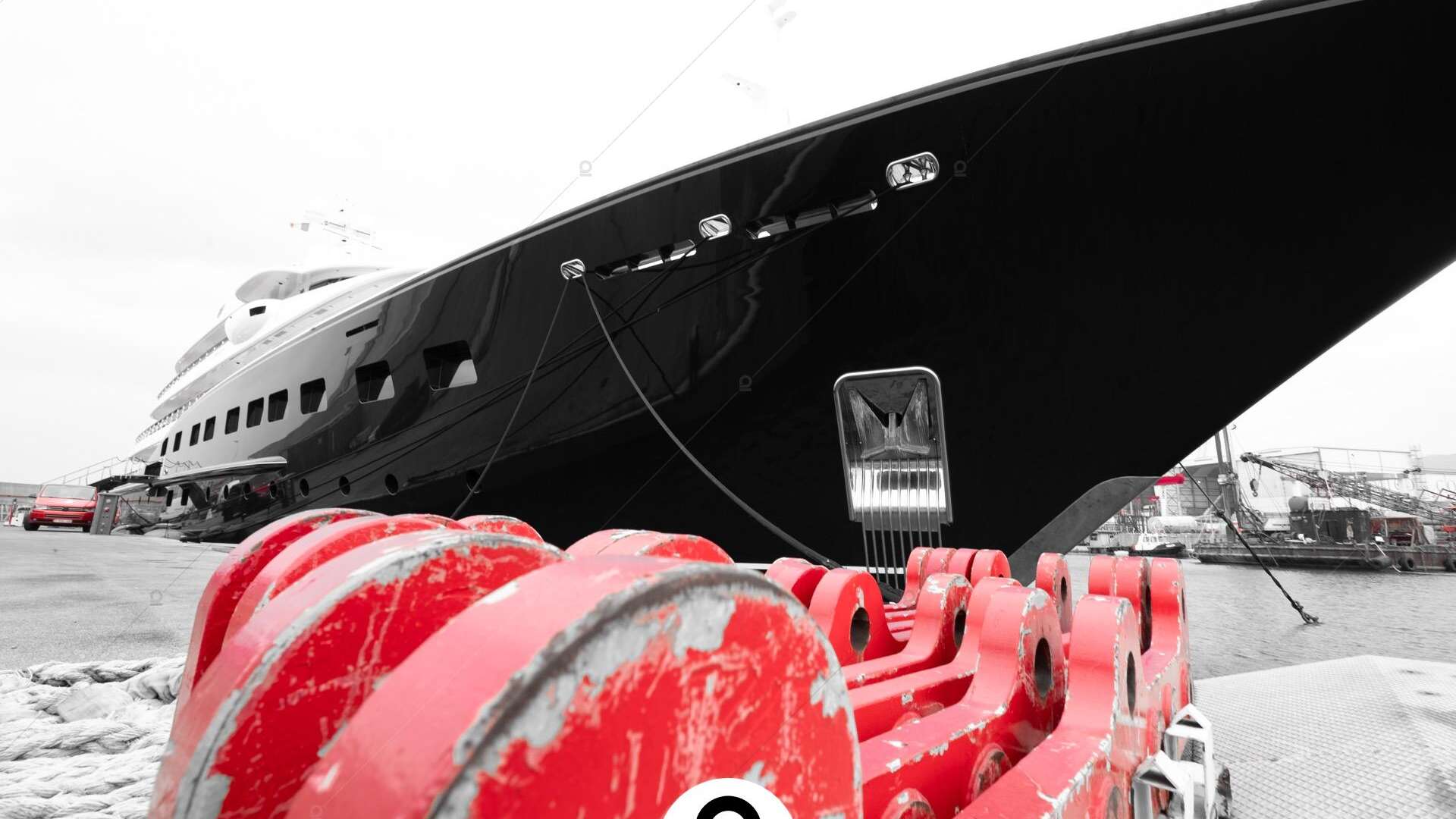
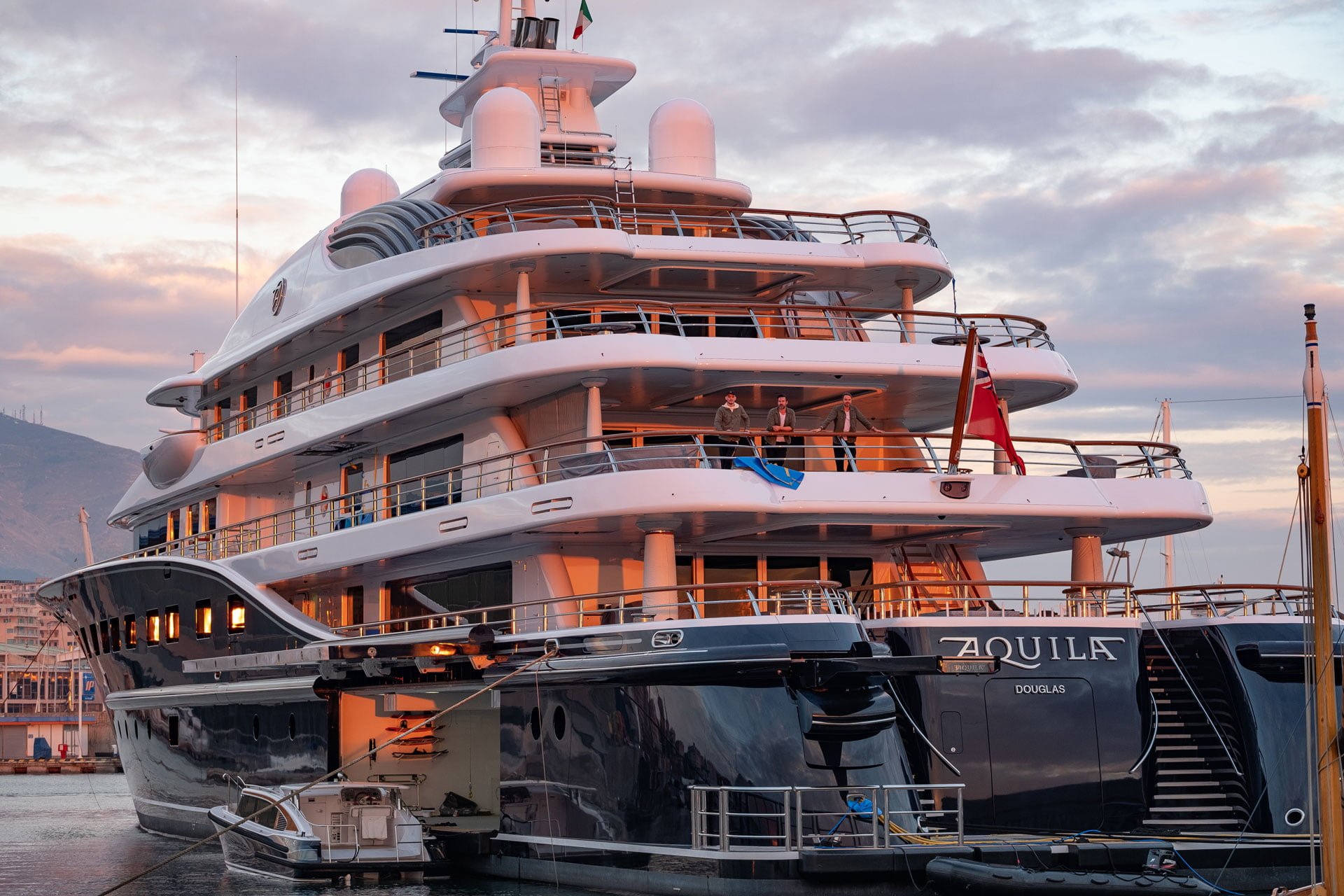
In Genoa, we wrapped and protected the 85.6 m motor yacht Aquila, the largest yacht built in the United States since the 1930s. Our Belgian crew joined the California team for about two weeks of full-time work on railings, furniture and surfaces throughout the vessel, with the finishing touches completed later in Marina del Rey. The captain’s reference letter is on our site, and the full Aquila yacht project sits in the portfolio.
That job is not a price guide for a 20 foot boat, but it is the reason we can be specific about the small ones: the same discipline of masking, dismounting hardware and wrapping edges around the back of a surface applies at every scale. Our boat wrap and marine protection services run from a single hull color change to a full refit, and yacht interior wrapping is quoted separately from exterior work. For films and specifications we work mainly with 3M and comparable cast ranges.
Frequently Asked Questions
How much does it cost to wrap a 20 foot boat?
In most of the United States market, between 1,500 and 3,500 dollars for the hull sides in a solid color, and higher with printed graphics or a hull that needs compounding first. A full wrap including the transom and the deck surfaces costs more again.
How long does a boat wrap last?
Expect several years of good appearance on a boat that is washed down with fresh water and covered or stored out of the sun. A trailered boat kept uncovered in a Californian summer, or one that sits in salt year round, ages faster at the waterline and on the horizontal surfaces first.
Can you wrap below the waterline?
No, and nobody should. Permanent immersion and antifouling defeat adhesive film. The wrap stops above the waterline, and that line is cut deliberately so it reads as a design element rather than an edge.
Does a boat wrap damage the gelcoat?
On sound gelcoat, no. The film covers the surface and comes off again. Where damage shows up after a removal, the gelcoat was already oxidized or previously repaired, and the wrap merely revealed it.
What does removal cost?
Typically a few hundred to around 1,500 dollars depending on size, age and what film was used. Old film that was laid without a laminate, or a budget calendered film left on for years, is the expensive case: it comes off in pieces and the adhesive has to be worked off by hand.
If you want a figure for your own boat, send us the length, a few photographs of the hull and the hardware, and where it is kept. We quote from that rather than from a table. You can request a quote for marine wrapping here.