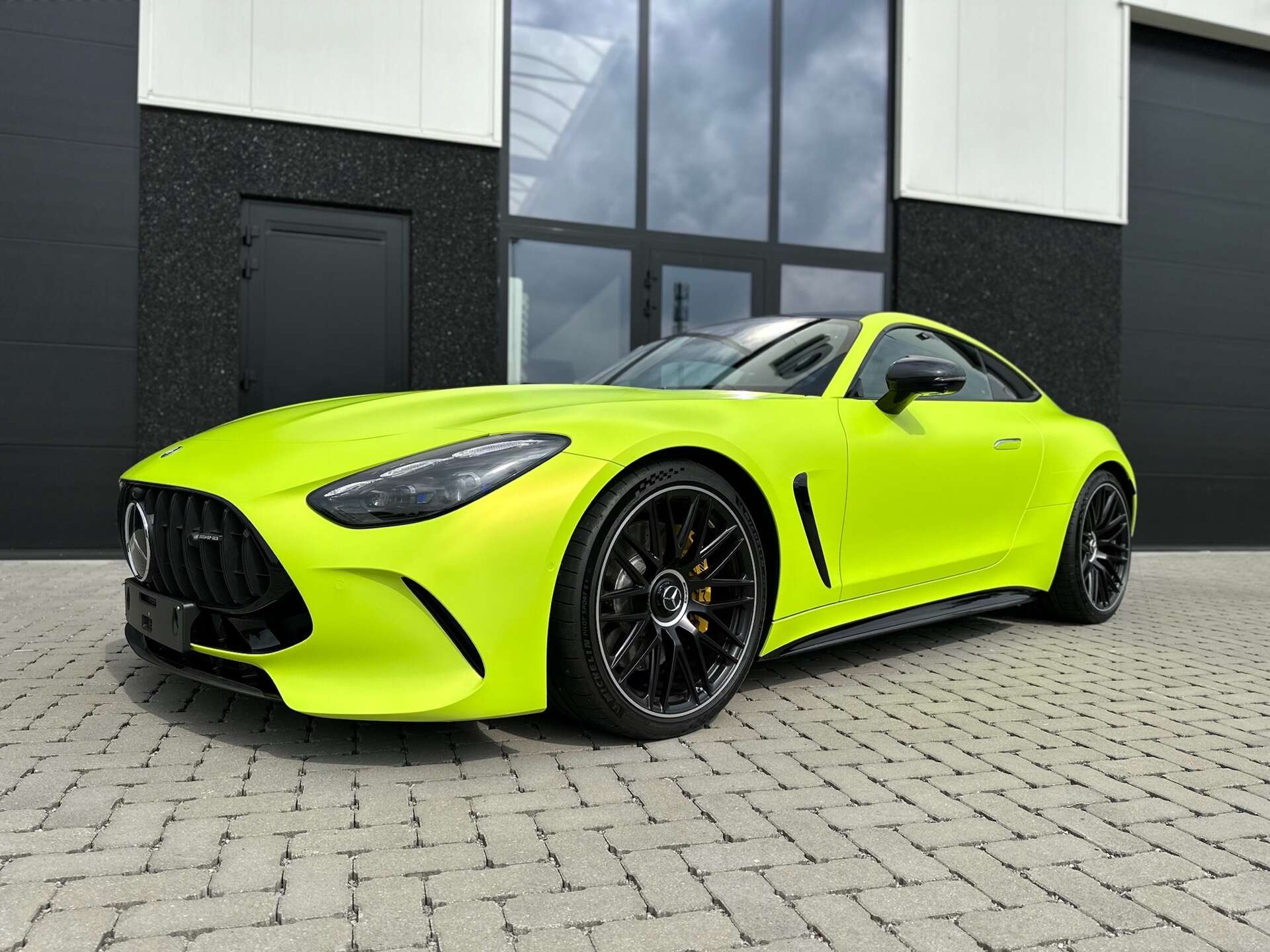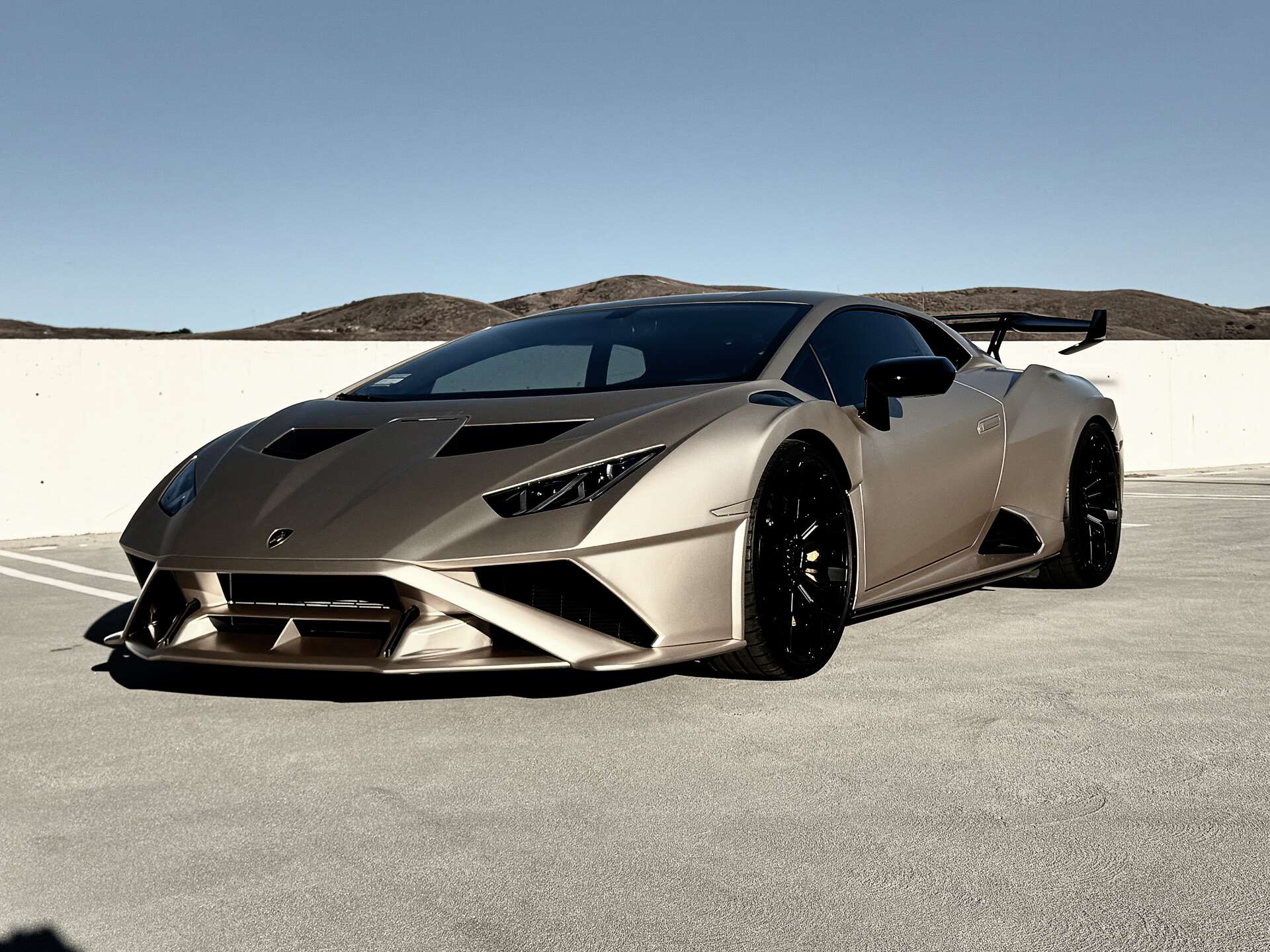







A full color change on a normal car takes two to four working days in a professional shop. That is roughly 20 to 30 hours of hands-on work, spread across disassembly, cleaning, installation and reassembly. A partial wrap or a set of commercial graphics is often a single day. A twenty-vehicle fleet takes a trained team about four days on site. The hours people quote for wrapping are almost never the hours that decide the schedule.
How many hours does it take to wrap a car?
Split the job honestly and the number stops sounding vague. Washing and decontaminating the paint takes two to four hours, and it cannot be rushed, because anything left on the surface stays under the film permanently. Removing handles, mirrors, badges, lights and bumpers takes another two to five hours depending on the car. The film itself goes on in roughly twelve to twenty hours. Then comes post-heating every edge, reassembly and a final inspection.
That is why a serious shop quotes days rather than hours. A quote of “one day for a full wrap” usually means the car is not coming apart, and the edges are being cut on the panel instead of wrapped behind it.
What makes a wrap take longer?
Complex bodywork is the biggest factor. Deep recesses, spoilers, aggressive vents and tight radii all take film that has to be stretched, heated and relaxed rather than simply laid down. Textured, chrome and color-shift films are slower again and much less forgiving of a correction.
Printed design wraps add alignment time, because a pattern that runs across a door seam has to line up on both sides. Paint condition matters as well: previous bodywork or an old wrap that needs removing first can add days on its own. We have had a pickup where removing badly aged film ran past sixty hours, simply because the vinyl had been left on far beyond its service life in the sun.
How long does it take to wrap a fleet?
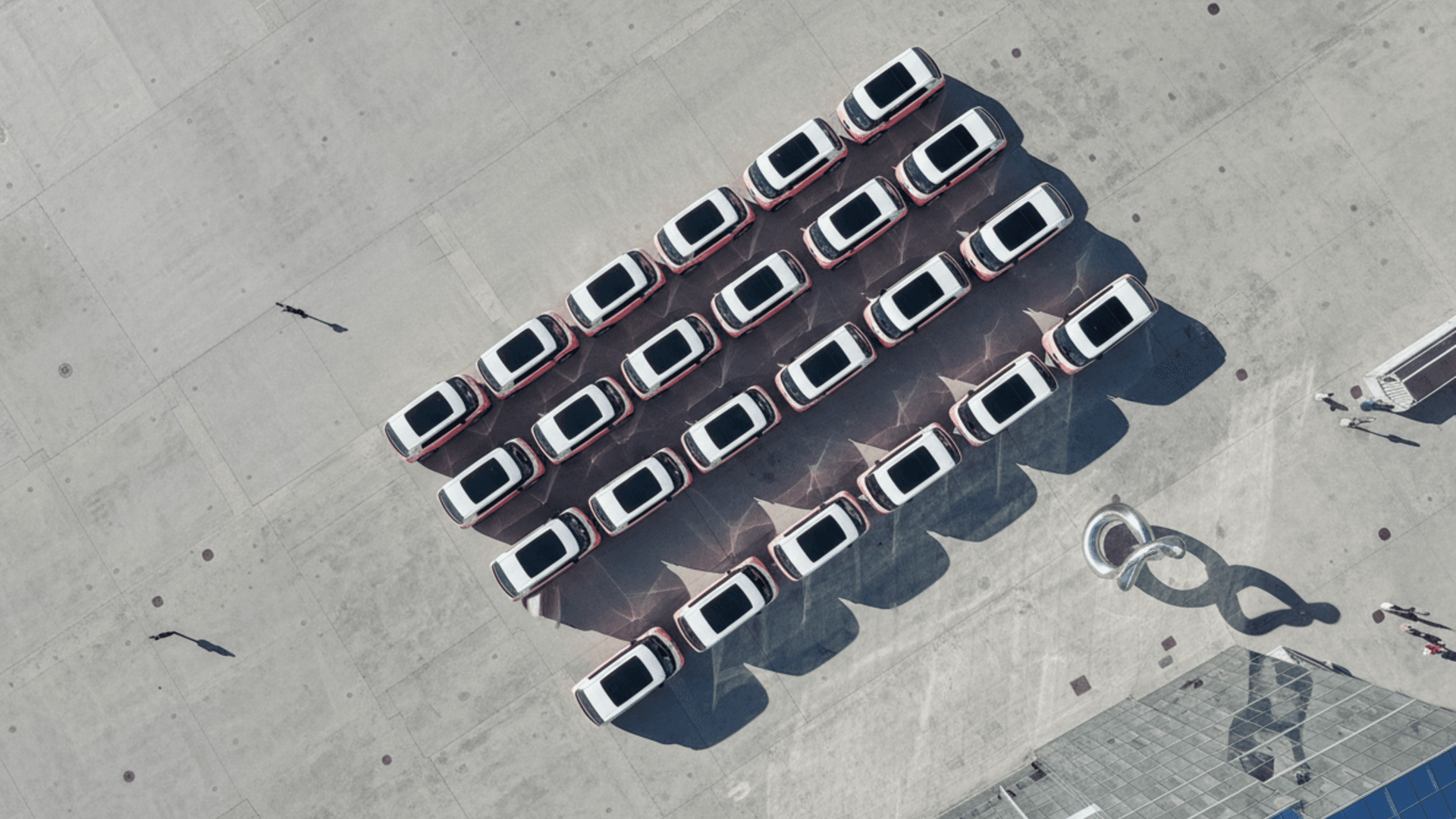
At scale, the installation stops being the bottleneck and logistics take over. For the Intuit TurboTax rollout we completed twenty vehicles in four days, working on site across the Los Angeles area as part of an eighty-vehicle national program. Day one produced five vehicles. By the end of day three, eighteen were finished.
That pace was set before anyone arrived. Every graphic was pre-cut, checked and sorted per vehicle in advance, and the location was reviewed on satellite images so we knew what space, power and light we were walking into. On-site work offers no cutting table and no controlled environment, so the guesswork has to be eliminated beforehand. The full account is in our on-site fleet marketing case study from Los Angeles, and the budgeting side is covered in what a truck wrap costs.
For a business, the number that matters is not installation hours but vehicle downtime. Staggering a fleet in batches usually keeps more vehicles on the road than booking them all at once, and that is a scheduling conversation worth having before the film is ordered. It is a standard part of how we plan fleet marketing projects in both California and Belgium.
How soon can you drive and wash the car?
You can drive it the same day it leaves. All edges are post-heated before the car goes out, so the film is stable. Leave it a week before the first wash, then wash by hand. Avoid automatic brushes entirely and keep a pressure washer away from edges and seams for the life of the wrap.
Frequently asked questions
Can a car be wrapped in one day?
A roof, a hood, a chrome delete or a set of commercial graphics can be. A full color change done properly cannot, because disassembly, cleaning and reassembly each need their own time, and the film has to be worked at temperature rather than against the clock.
How long does it take to remove a car wrap?
A wrap removed within its service life usually comes off in four to eight hours. Film left on well past its lifespan, especially cheap calendared vinyl baked in the sun, is a different job: it tears into small pieces and leaves adhesive behind, and removal can take several days.
How long does a car wrap last?
Roughly three to seven years with quality cast film, depending on the color, the finish and how the vehicle is stored. Horizontal panels take the most sun and age first, in Los Angeles heat and in Belgian winters alike.
Do I need to leave the car at the shop the whole time?
Yes, for a full wrap. The vehicle needs a controlled indoor temperature throughout, and moving it mid-job between environments risks contamination on a cleaned surface. For fleets we can reverse it and come to you, which is usually the more practical option.
If you want a realistic timeline for your own vehicle or fleet, including how to stagger vehicles so you keep working, tell us what you run and we will map out the schedule.
This article is part of the 2wrap.com knowledge base on fleet marketing and commercial wraps. We design, print and install in-house at our studios in Westlake Village, California and Weelde, Belgium. Related work: Intuit TurboTax fleet wrap, PopRak Sprinter wrap.