Automotive
 Car Wrap
 Paint Protection
 Racing Stripes
 design wrap
 accent wrap
 Window Tinting
 Windshield Protection
 Smoked lights
 Wheels
 Ceramic Coating
 Explore
 Advertising
 Fleet Marketing
 Window Graphics
 Graphic Designing
 Printing
 Custom Signs
 Architectural
 Building Wraps
 Canvas Printing
 Furniture Wrapping
 Wall Wrapping
 Nautical
 Exterior wrap and Protection
 Marine Interior wrap
 Referal Letter Aquila Yacht
 carwrap simulator
 Colors
 3D CARWRAP CONFIGURATOR
 Colors
 Pricing
 Locations
 USA-California
 BELGIUM-WEELDE
 BELGIUM-TURNHOUT
 Netherlands
 Contact
 contact us
 Job Offers
 Freelance
 info
info About Us
 social media
 faq’s
faq’s videos
 FAQ blogs
 Charity
 reviews

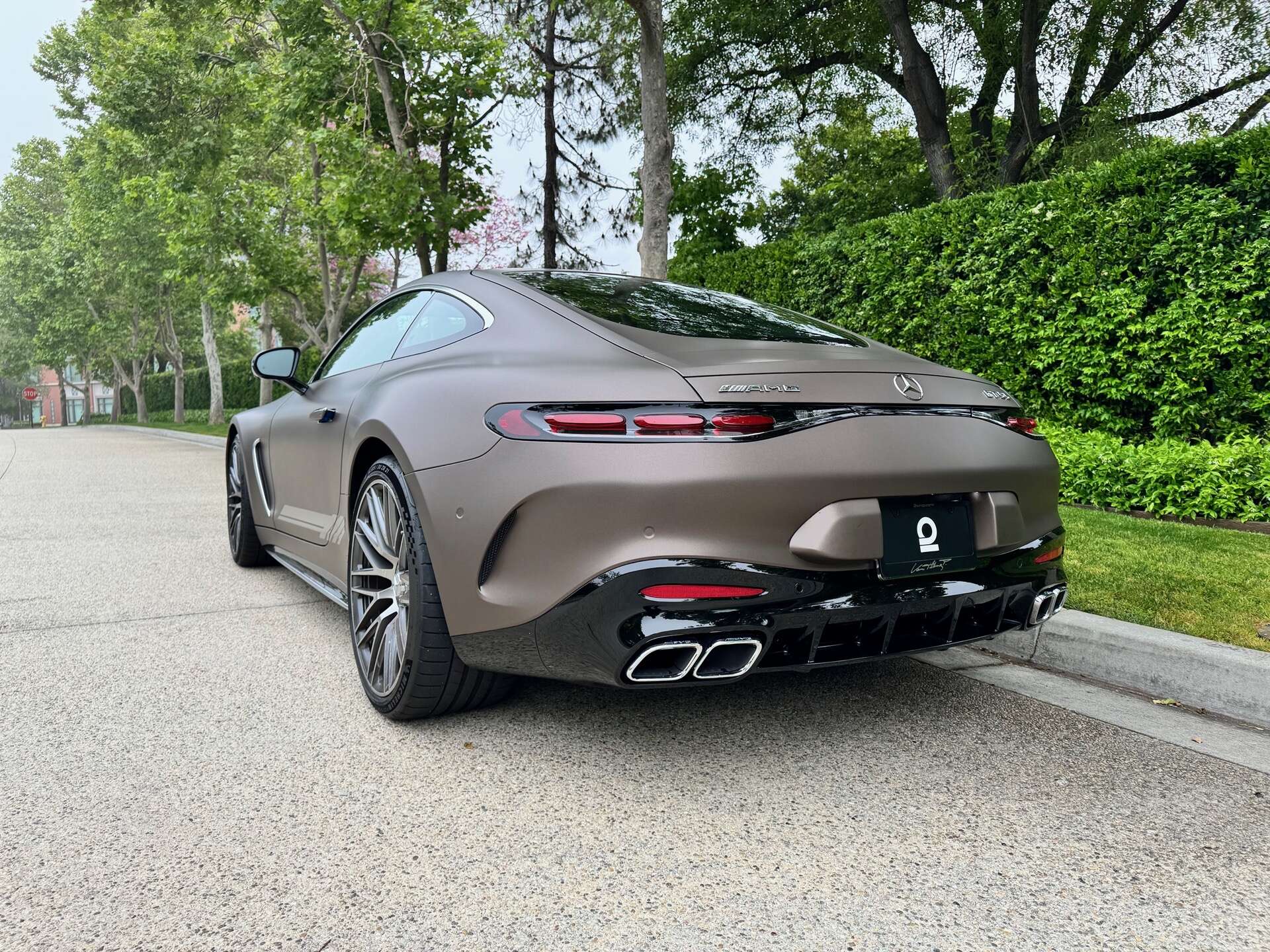
The Ultimate Guide to Car Wraps: Benefits, Types, Costs, Durability, and Professional Installation
Car wraps have become a popular choice for vehicle customization, offering a unique blend of protection and aesthetic appeal. This comprehensive guide will delve into the various benefits of car wraps, the types available, the materials used, and the installation process. By understanding these aspects, you can make informed decisions about enhancing your vehicle’s appearance and value. Many car owners seek effective solutions for protecting their vehicles while expressing their individuality. Car wraps provide an excellent solution, combining style with functionality. This article will cover the benefits of car wraps, the different types available, the materials and finishes used, the installation and maintenance processes, specialized solutions for businesses and luxury vehicles, and the transformative effects of architectural wraps as a related application of wrap technology.
What Are Car Wraps and How Do They Benefit Your Vehicle?
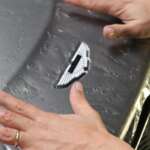
Car wraps are large vinyl decals or graphics applied to the exterior of a vehicle, allowing for customization without the permanence of paint. They offer several benefits, including protection from UV rays, scratches, and minor dents, while also enhancing the vehicle’s aesthetic appeal. Car wraps can be an economical alternative to a full paint job, providing a fresh look at a fraction of the cost. Additionally, they can help maintain the vehicle’s resale value by protecting the original paint underneath.
What Protection and Customization Do Car Wraps Offer?
Car wraps provide a protective layer that shields the vehicle’s paint from harmful UV rays, environmental contaminants, and minor abrasions. This protection helps prevent fading and deterioration, ensuring the vehicle maintains its appearance over time. Customization options are vast, ranging from solid colors to intricate designs and textures, allowing owners to express their personality and brand identity. The versatility of car wraps means that they can be tailored to suit individual preferences, making them an attractive option for many vehicle owners.
How Do Car Wraps Enhance Cost-Effectiveness and Resale Value?
Investing in a car wrap can be more cost-effective than a traditional paint job, which can be expensive and time-consuming. Car wraps typically range from $2,500 to $5,000, depending on the complexity and size of the vehicle. Moreover, a well-maintained wrap can enhance the vehicle’s resale value by preserving the original paint underneath. While there is limited formal research quantifying resale value improvements, many industry experts agree that wraps help protect paint, which can be beneficial when selling the vehicle.
 Which Types of Vehicle Wraps Are Available?
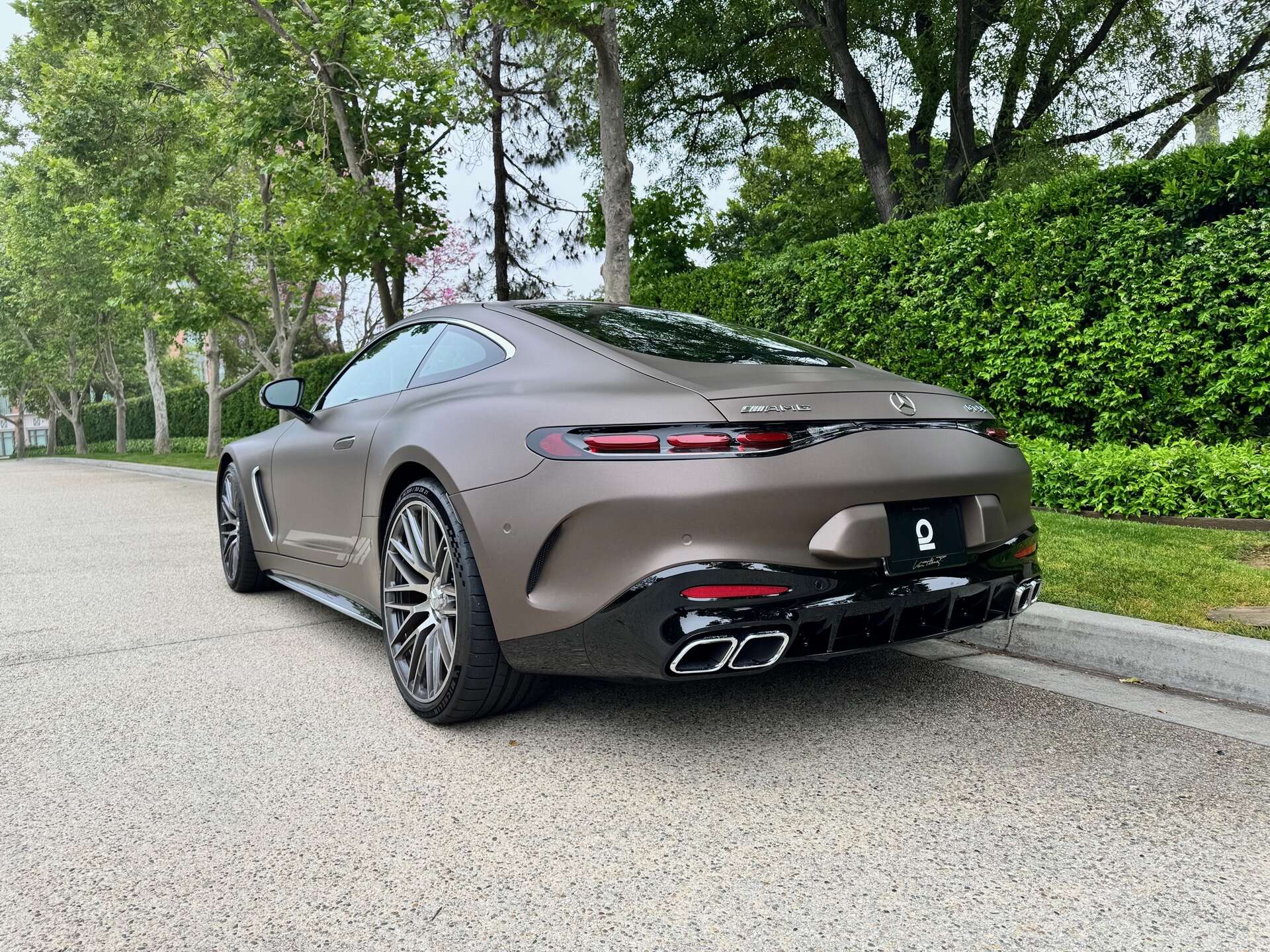
There are several types of vehicle wraps available, each serving different purposes and aesthetic preferences. Understanding these options can help you choose the right wrap for your needs.
What Are Full, Partial, and Color Change Wraps?
- Full Wraps: These cover the entire vehicle, providing a complete transformation in color and design. Full wraps are ideal for those looking to make a bold statement or completely change their vehicle’s appearance.
- Partial Wraps: These cover only specific areas of the vehicle, such as the hood, roof, or sides. Partial wraps are a cost-effective way to enhance the vehicle’s look without a full commitment.
- Color Change Wraps: These wraps allow vehicle owners to change the color of their car without repainting. They are available in various finishes, including matte, gloss, and satin, providing a unique look.
How Does Paint Protection Film Differ from Vinyl Wraps?
Paint protection film (PPF) and vinyl wraps serve different purposes. PPF is a clear, durable film designed to protect the vehicle’s paint from scratches, chips, and UV damage. It is often used in conjunction with vinyl wraps to provide an additional layer of protection. In contrast, vinyl wraps are primarily for aesthetic purposes, allowing for customization and color changes. While PPF is generally more expensive, it offers superior protection, making it a popular choice for luxury vehicles.
What Materials and Finishes Are Used in Car Wraps?
The materials used in car wraps significantly impact their durability and appearance. Understanding these materials can help you make informed decisions about your wrap.
What Are the Characteristics of Vinyl, TPH, and TPU Films?
Car wraps are primarily made from vinyl, TPH (thermoplastic polyurethane), and TPU (thermoplastic polyurethane). Vinyl is the most common material due to its versatility and affordability. It is available in various colors and finishes, making it suitable for a wide range of applications. TPH and TPU films offer enhanced durability and flexibility, making them ideal for high-performance applications. These materials are resistant to scratches, UV rays, and environmental factors, ensuring a long-lasting finish.
Which Finishes Are Popular: Matte, Gloss, Satin, Chrome, and Carbon Fiber?
- Matte: Provides a non-reflective surface, giving a sleek and modern appearance.
- Gloss: Offers a shiny, reflective finish that enhances color vibrancy.
- Satin: A middle ground between matte and gloss, providing a soft sheen.
- Chrome: Delivers a highly reflective, mirror-like finish, ideal for eye-catching designs.
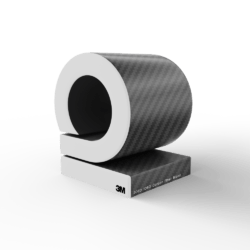
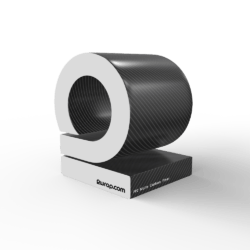
- Carbon Fiber: Mimics the appearance of carbon fiber, adding a sporty touch to vehicles.
How Is a Professional Car Wrap Installed and Maintained?
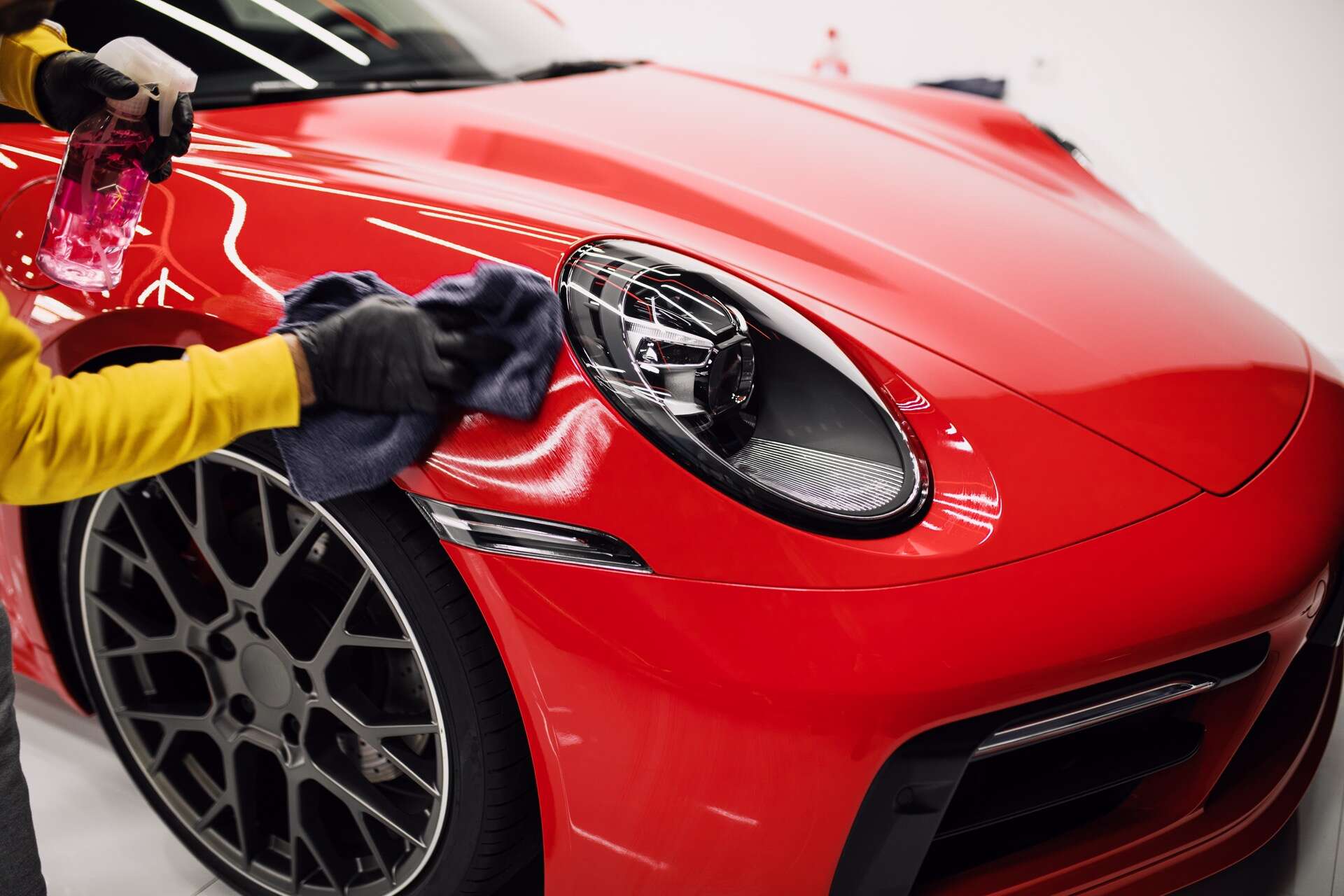
Proper installation and maintenance are crucial for ensuring the longevity and appearance of a car wrap. Understanding these processes can help you achieve the best results.
What Are the Steps and Tools Involved in Professional Installation?
- Preparation: The vehicle is thoroughly cleaned and prepped to ensure proper adhesion.
- Design: The wrap design is created and printed on high-quality vinyl.
- Application: The vinyl is carefully applied to the vehicle, ensuring a smooth and bubble-free finish.
- Trimming: Excess vinyl is trimmed away, and edges are sealed to prevent lifting.
Tools used in the installation process include squeegees, heat guns, and utility knives, ensuring a precise and professional finish.
How Should You Maintain and Remove a Car Wrap for Longevity?
To maintain a car wrap, regular cleaning with mild soap and water is recommended. Avoid using abrasive materials that can damage the vinyl. Additionally, it is essential to park the vehicle in shaded areas or garages to protect the wrap from prolonged UV exposure. When it comes time to remove the wrap, professional assistance is advised to prevent damage to the underlying paint. A trained technician can safely remove the wrap without leaving adhesive residue or causing paint damage.
What Are Specialized Wrapping Solutions for Businesses and Luxury Vehicles?
Car wraps are not only for personal vehicles; they also offer specialized solutions for businesses and luxury vehicles.
How Do Fleet Vehicle Wraps Boost Business Branding and ROI?
Fleet vehicle wraps serve as mobile advertisements, increasing brand visibility and recognition. Businesses can customize their fleet with eye-catching designs that promote their services, leading to increased customer engagement. Industry estimates suggest that vehicle wraps can generate between 30,000 to 70,000 impressions per day, making them a cost-effective marketing strategy. Additionally, well-designed wraps can enhance the professional image of a business, contributing to a higher return on investment (ROI).
What Makes Luxury and Exotic Car Wraps Unique?
Luxury and exotic car wraps require specialized materials and techniques to ensure a flawless finish. These wraps often use high-end vinyl with unique textures and finishes, such as matte or chrome. The installation process is meticulous, as these vehicles demand precision and attention to detail. Luxury wraps not only enhance the vehicle’s appearance but also protect the original paint, preserving its value over time.
How Do Architectural Wraps Relate to Car Wrap Technology?
While this guide focuses on car wraps, it is worth noting that the technology and materials used in vehicle wraps have inspired applications beyond automobiles. Architectural wraps utilize similar vinyl and specialty films to transform interior and exterior spaces, offering aesthetic and functional benefits. These wraps provide a cost-effective alternative to traditional renovations, allowing for creative design solutions in commercial and residential environments.
What Are the Applications and Benefits of Architectural Wraps?
Architectural wraps can be used in various applications, including commercial buildings, residential properties, and interior spaces. They provide a cost-effective way to update the appearance of a building without the need for extensive renovations. Benefits include improved aesthetics, increased property value, and enhanced branding opportunities for businesses. Additionally, architectural wraps can be designed to reflect a company’s identity, making them an effective marketing tool.
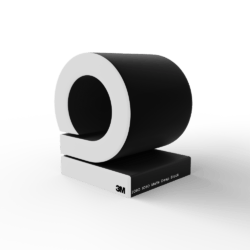
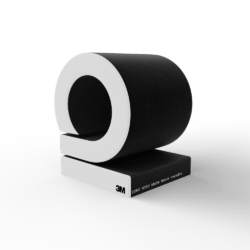
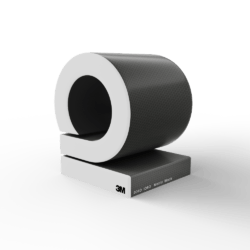
Which Materials Like 3M DI-NOC Are Used for Architectural Films?
3M DI-NOC is a popular choice for architectural wraps due to its durability and versatility. This material mimics the appearance of natural materials, such as wood or stone, providing a high-end look at a fraction of the cost. Other materials used in architectural wraps include vinyl and specialty films, which offer various textures and finishes. These materials are designed to withstand environmental factors, ensuring long-lasting performance.
Research further highlights the specific characteristics that make materials like DI-NOC ideal for architectural applications.